Is Fluoride Safe for Kids? What Parents Should Know
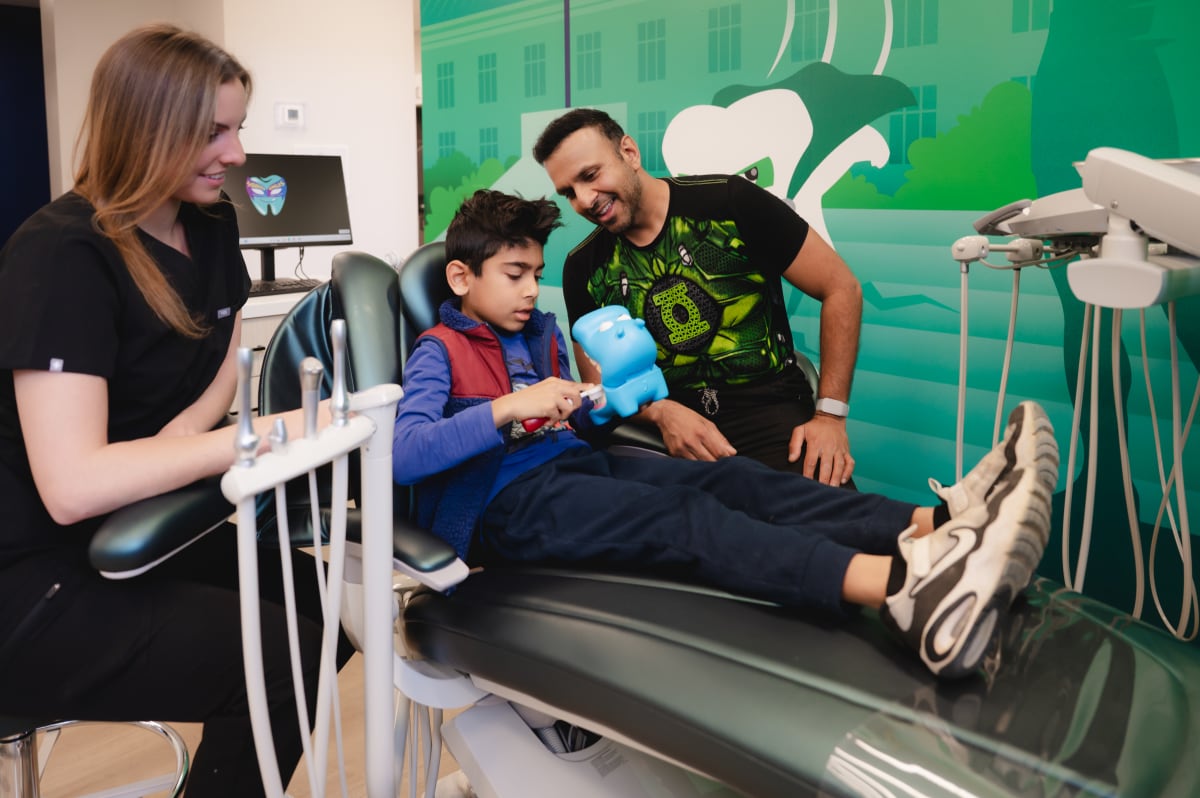
Let's say your child is in the chair, feet swinging, gripping the armrest just a little. One of our team members reaches for a small tray of fluoride, and a quiet thought creeps into your mind: wait, is this actually safe?
Fluoride is safe for kids at the levels used in dental offices, in toothpaste, and in fluoridated tap water. It's one of the most heavily studied preventive tools in dentistry. But when it comes to fluoride, Dr. Deep doesn’t take a one-size-fits-all approach. Dose, dosage, concentration, frequency, and your child’s total fluoride exposure all matter. That means we consider what we’re applying in the office, such as fluoride varnish, along with what your child is being exposed to at home. Are they using fluoride toothpaste? Is your tap water fluoridated? How much toothpaste are they using? How often? What is their individual risk for cavities? At Sidekick Smiles, we look at the whole picture before making recommendations for your child.
Dr. Deep and the team at Sidekick Smiles in King of Prussia field the safety question constantly, and we'd rather give you the reasoning than a pat on the head. You'll get that same explain-it-first approach through every part of the superhero experience here. To talk it through for your own child, call us at (610) 992-4910.
What to know first
- It's safe at the doses kids actually get. Professional treatments, toothpaste, and community water all sit at levels that are safe for children and meaningfully reduce cavity risk. Dr. Deep is happy to walk you through what that looks like for your child.
- It strengthens the tooth surface. Fluoride makes enamel more resistant to the acid that bacteria produce every day, so teeth hold up better over time. Think of it as a stronger shield for your little hero at every checkup.
- There's one real risk, and it's manageable. Dental fluorosis happens when a young child swallows too much fluoride while permanent teeth are still forming. It's almost always cosmetic, and it usually comes down to how much toothpaste ends up on the brush. The sections below explain what to watch for and how to keep the amount right at home.
Why fluoride turned into a parenting debate
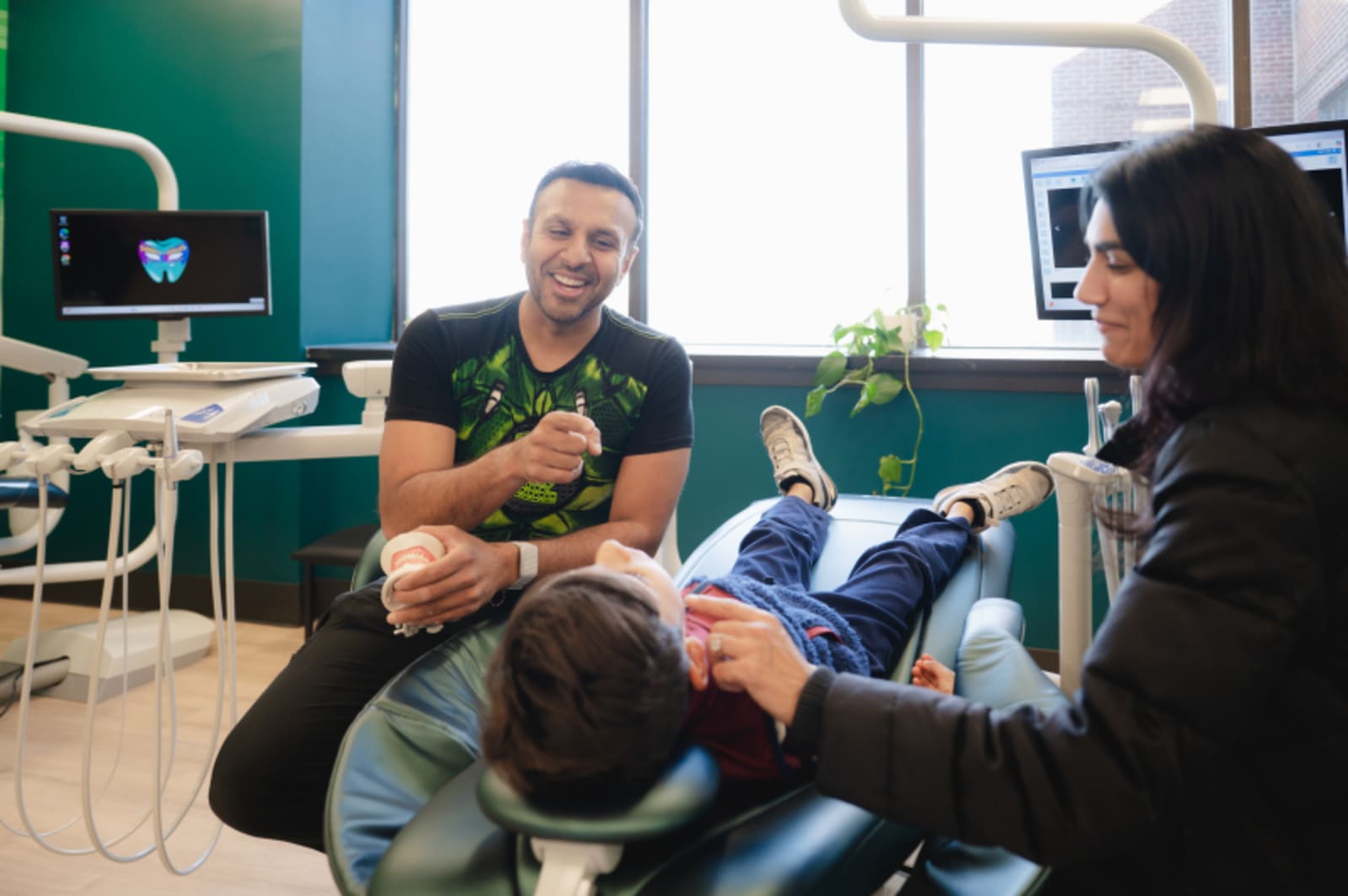
The concern didn't come out of nowhere. Families read labels, ask what's in things, and push back on recommendations that arrive without an explanation. Asking "but is this actually safe for my kid?" is exactly what a good parent should do, and any pediatric dentist should be glad to answer it.
The worry usually comes down to three things:
- Dental fluorosis is a real effect, not a myth. Swallowing too much fluoride while permanent teeth are still forming can leave faint white flecks or streaks on those teeth. We cover when that window opens and closes a little further down.
- High-exposure research gets misread online. Studies on fluoride levels far above what's in American tap water or a tube of toothpaste get shared in clips and screenshots, without the exposure numbers that made them relevant.
- Social media blurs the rest together. Once a topic catches fire in parenting circles, careful questions and overstated claims travel through the same feed, looking about the same.
Dr. Deep would rather talk this through with you at the chair than have you sorting it out alone at 11 p.m. on your phone. So let's look at what fluoride is actually doing inside your child's mouth.
What fluoride actually does to a tooth
Enamel is not a static shell. All day long, every day, it's losing and regaining minerals.
The daily tug-of-war
When your child eats or drinks something, bacteria in the mouth feed on sugars and produce acid. That acid pulls tiny amounts of calcium and phosphate out of the enamel surface. Dentists call that mineral loss "demineralization". Then saliva goes to work, buffering the acid and helping put minerals back in. That's "remineralization", and it happens naturally throughout the day.
A cavity can develop when enamel loses minerals faster than it can replace them over time. This is where fluoride can provide an added layer of protection.
Dr. Deep likes to compare fluoride to the epoxy coating on a garage floor. The coating doesn't stop leaves, dirt, or oil from landing on the floor, but it helps protect the surface underneath from damage. Fluoride works in a similar way by helping enamel become more resistant to acid and supporting the natural remineralization process.
It doesn't prevent your child from being exposed to sugars or cavity-causing bacteria, and it doesn't replace brushing, flossing, or healthy habits. It simply gives their teeth another way to resist the everyday conditions that contribute to decay.
Where fluoride steps in
Fluoride joins the rebuilding side of that rope. Enamel that has taken up fluoride is chemically tougher, so it takes a stronger acid attack to start dissolving it. The bacteria still make acid, but the tooth holds up better against it. Fluoride also makes it harder for those bacteria to produce acid efficiently in the first place. Think of it as upgrading your child's armor between adventures.
The bonus for teeth that haven't come in yet
For young kids whose permanent teeth are still forming under the gums, fluoride taken in through water gets built right into that developing enamel. Those teeth arrive already more resistant to decay, before they've ever met a single gummy bear.
Dental fluorosis: the risk that's actually worth understanding
Every real preventive tool has a dose where it stops helping. For fluoride, the thing on the other side of that line is dental fluorosis.
Fluorosis happens when a young child swallows more fluoride than needed during the years permanent teeth are still forming beneath the gums, roughly from toddlerhood through around age eight. It shows up later as white flecks, faint lines, or a slightly chalky look on the permanent teeth.
In most cases it's mild and cosmetic. It doesn't weaken the tooth, doesn't hurt, and doesn't signal anything happening elsewhere in the body. Mild fluorosis is often so subtle that parents never notice it until we point it out at a checkup.
The usual source isn't the dentist's office or the tap. It's toothpaste. Toddlers are not natural spitters, and a fruit-flavored paste squeezed the full length of the brush adds up to a lot of swallowed fluoride twice a day for years.
If You Choose Fluoridated Toothpaste, Here's How Much to Use
Whether your family prefers fluoride or hydroxyapatite toothpaste is a conversation we’re happy to have. If you choose a fluoridated toothpaste, using the right amount for your child's age helps limit unnecessary fluoride exposure.
- Under age 3: a smear the size of a grain of rice. It looks like almost nothing, and that's correct.
- Ages 3 to 6: a pea-sized amount, and we mean an actual pea, not a stripe.
- Supervise until spitting is reliable. Most kids need a grown-up running the brush, or finishing the job, well past the age they'd like to admit.
- Skip the rinse-and-swallow habit. Have them spit and stop there. A big cup of water washes away the fluoride that was about to do its job.
- Store it out of reach. Bubblegum paste is delicious to a four-year-old, and a snacked-on tube is a different problem entirely.
Fluorosis isn't a reason to abandon fluoride. It's a reason to be deliberate about how much toothpaste lands on that tiny brush.
If you're not sure whether your child's routine is in the right range, bring it up at the next visit. Dr. Deep will look at how those teeth are developing and build a plan around your child, not a generic handout.
Water, toothpaste, and in-office fluoride are not the same thing
Much of the worry surrounding fluoride comes from mentally stacking drinking water, toothpaste, and professional treatments together, as though they all contribute the same amount of exposure. But concentration, dosage, and frequency matter, and so does the child's age.
Dr. Deep often explains this by comparing two siblings who drink water from the same tap. A one-year-old and a ten-year-old may be exposed to the same fluoride concentration, but the amount each drinks relative to their body size can be very different. That's why fluoride recommendations should consider the individual child, not simply whether a product or water source contains fluoride.
Fluoride in drinking water
Fluoridated drinking water contains a relatively low concentration of fluoride. It provides ongoing exposure as your child drinks throughout the day, with the amount consumed contributing to their total fluoride intake.
Because younger children are still developing their permanent teeth, understanding their overall fluoride exposure is particularly important.
Fluoride toothpaste
Fluoride toothpaste contains a higher concentration than drinking water, but it's designed to work primarily on the tooth surface rather than be swallowed. It helps strengthen enamel and supports the natural remineralization process. This is where controlling the amount used becomes especially important, since younger children are more likely to swallow toothpaste while brushing.
If your family chooses fluoridated toothpaste, Dr. Deep can help you determine the appropriate amount based on your child's age and brushing habits.
Professional fluoride varnish
Professional fluoride varnish contains a higher concentration than toothpaste or drinking water, but it's applied in a small, controlled amount directly to the teeth.
Unlike the foam trays some parents may remember from childhood, varnish is brushed onto the tooth surface in a thin layer. Although a small amount may be swallowed as it gradually wears away, the application is designed to limit unnecessary ingestion while delivering targeted protection.
At our office, we offer both fluoride and hydroxyapatite varnishes to support enamel health. Dr. Deep can discuss these options with you and recommend an approach based on your child's needs, cavity risk, and your family's preferences. We'll also explain any aftercare instructions for the specific varnish used.
The important distinction is that a higher concentration doesn't automatically mean greater overall exposure. How much is used, how often it's used, whether it's swallowed, and the child's individual needs all contribute to the bigger picture.
That's why Dr. Deep approaches fluoride as a matter of appropriate dosing and informed family choice, rather than a one-size-fits-all recommendation.
How much fluoride your child actually needs
This is where a good pediatric dentist makes a real difference, because the answer varies from child to child. Two kids the same age can genuinely need different plans.
Some children benefit from more fluoride support than the baseline. Reasons we'd suggest it include:
- A history of cavities, or enamel that tends to be more vulnerable
- Well water or a home filter that removes fluoride from the tap
- Frequent snacking, or a lot of juice, sports drinks, or acidic foods
- Deep grooves in the back molars that trap food no matter how carefully anyone brushes
- Brushing that is still developing because of age, motor skills, or sensory sensitivities
- Braces or appliances that create more spots for plaque to collect
And some children don't need as much. A kid with no cavity history, fluoridated tap water, a solid brushing routine, and a low-sugar diet is already winning the daily tug-of-war. Neither situation is a grade on your parenting. It's biology, water source, and everyday habits.
For some kids, especially younger children, those with special healthcare needs, or situations where conventional treatment needs to wait, we may also use Riva Star. It's a silver fluoride treatment that can slow or stop active decay without drilling. Unlike traditional silver diamine fluoride, Riva Star is designed to minimize dark staining while still protecting the tooth. It's one more tool Dr. Deep can reach for when the standard path isn't the right fit.
What matters is that the recommendation comes from someone who actually knows your child. When Dr. Deep talks fluoride with families, he's looking at cavity history, diet, how brushing is really going at home, and what your family is comfortable with.
If you'd rather use less fluoride, just say so. There are other options, including sealants, snack timing, and more frequent checkups, and we'd rather build a plan you'll actually follow. That's what personalized care looks like, and it's the standard Dr. Deep holds every visit to.
Bring your questions to the visit
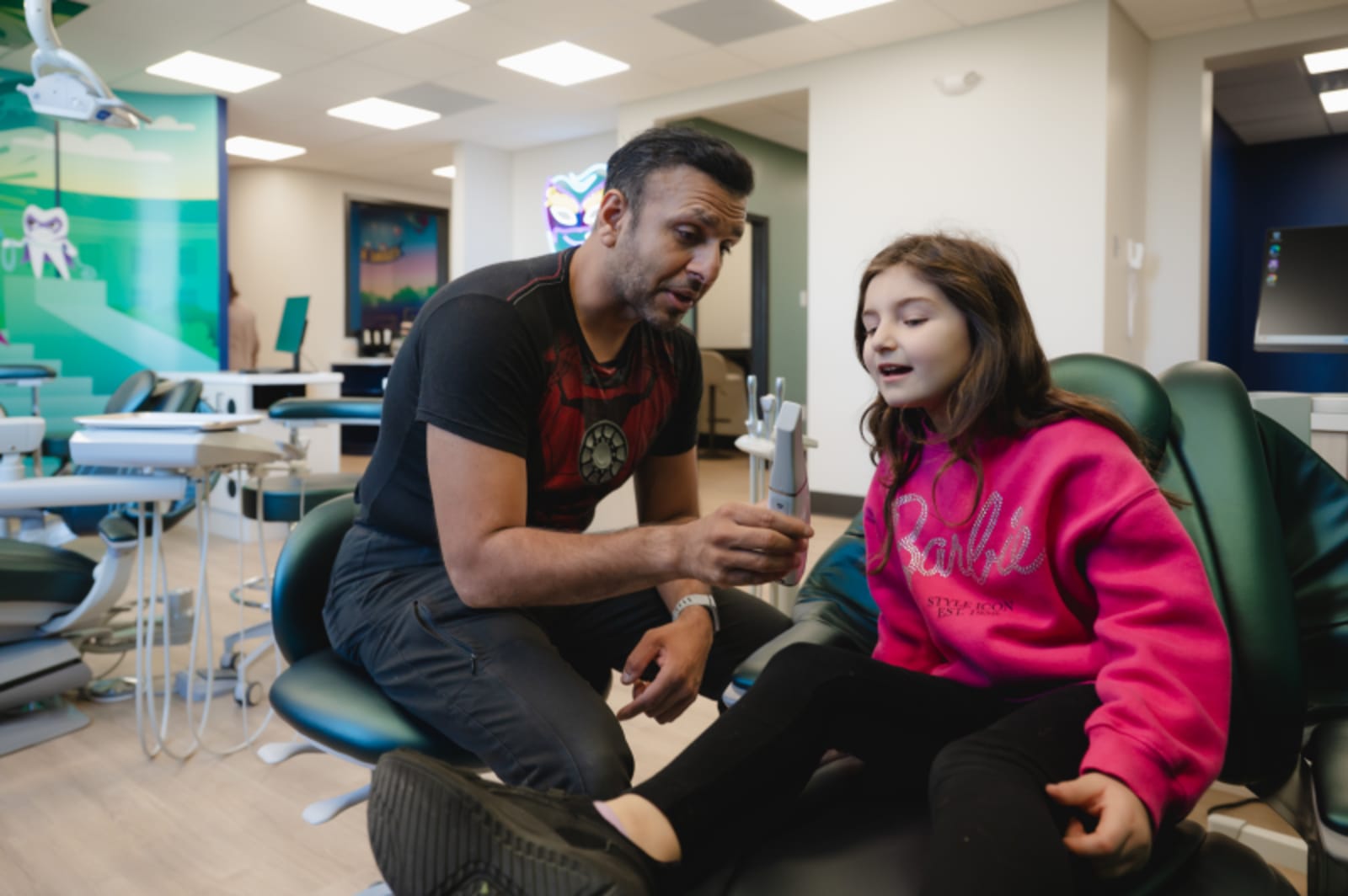
Wanting to understand the "why" behind a recommendation is not being difficult. It is being a parent, and it is the kind of conversation Dr. Deep genuinely likes having.
So bring it in. Whatever is still on your mind about fluoride, your tap water, or the toothpaste aisle, ask us at your child's next visit. Curious what the appointment looks like first?
Call Sidekick Smiles in King of Prussia, the Main Line, and surrounding areas at (610) 992-4910 to get your child on the schedule. Your child is the hero of this story. We are just the sidekick handing over the right gear.